
The Rising Tide of Internet Fraud in Uganda: A Call for Vigilance and Action
- Posted by Mr Strategy
- Date July 24, 2024
In the digital age, the Internet has become an essential part of daily life, offering numerous opportunities for economic growth, communication, and innovation. However, it has also provided fertile ground for fraudulent activities. In Uganda, internet fraud has been on the rise, posing significant threats to individuals, businesses, and the economy. We explore the current state of internet fraud in Uganda, its impact, and the steps that can be taken to mitigate this growing menace.
- Uganda, like many other developing nations, has seen a rapid increase in internet usage over the past decade. With more people and businesses going online, the potential for internet-related crimes has surged. Common types of internet fraud in Uganda include phishing, identity theft, online scams, and cyberbullying.
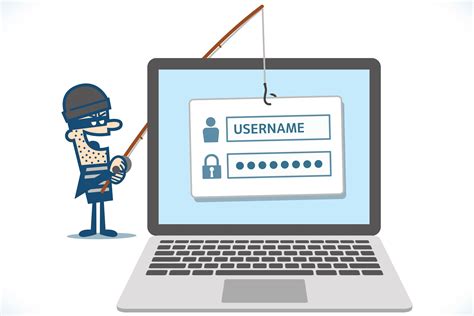
- Phishing: Fraudsters often use phishing schemes to trick individuals into providing sensitive information such as bank details, passwords, or personal identification numbers. These schemes typically involve fake emails or websites that appear legitimate.
- Identity Theft: This occurs when someone illegally obtains and uses another person’s personal information, usually for financial gain. In Uganda, cases of identity theft have been reported where criminals use stolen identities to access financial services or commit other crimes.
- Online Scams: These range from fake online shopping sites to fraudulent investment schemes. Victims are often lured by promises of high returns or low-cost products, only to lose their money to the scammers.
- Cyberbullying: Although not directly related to financial fraud, cyberbullying has significant social and psychological impacts. It often involves harassment, threats, or spreading false information online, targeting individuals, especially young people.
The Impact of Internet Fraud
- The consequences of internet fraud in Uganda are far-reaching. For individuals, the loss of money, personal information, and trust can be devastating. For businesses, particularly small and medium enterprises (SMEs), the financial losses and damage to reputation can be crippling. On a broader scale, the economy suffers as investor confidence declines, and resources are diverted to combating fraud instead of fostering growth.
- Economic Losses: Internet fraud leads to direct financial losses for victims and increased costs for businesses in terms of security measures and fraud prevention.
- Reputational Damage: Businesses that fall victim to fraud may suffer reputational damage, leading to a loss of customers and revenue.
- Psychological Impact: Victims of internet fraud often experience stress, anxiety, and a sense of violation, affecting their mental health and well-being.
- Reduced Trust in Digital Platforms: Widespread fraud can lead to a general mistrust of online platforms, slowing the adoption of digital services and hindering technological advancement.
Combating Internet Fraud in Uganda
Addressing the issue of internet fraud requires a multi-faceted approach involving government, businesses, and individuals.
- Strengthening Legislation and Enforcement: The government should enact robust cybercrime laws and ensure effective enforcement. This includes training law enforcement agencies to handle cybercrime cases and improving the judicial process for prosecuting offenders.
- Public Awareness Campaigns: Educating the public about the risks of internet fraud and how to protect themselves is crucial. Regular awareness campaigns can help individuals recognize and avoid potential scams.
- Business Best Practices: Businesses must implement strong cybersecurity measures, including regular system updates, employee training, and secure payment gateways. They should also establish clear protocols for responding to fraud incidents.
- Collaboration and Information Sharing: Stakeholders, including government agencies, financial institutions, and telecom companies, should collaborate and share information to detect and prevent fraud more effectively.
- Victim Support Services: Providing support services for victims of internet fraud, such as counseling and legal assistance, can help them recover from the ordeal and reduce the overall impact of the crime.
Internet fraud is a growing problem in Uganda, threatening the safety and security of individuals and businesses alike. By understanding the nature of these fraudulent activities and taking proactive measures to combat them, Uganda can protect its digital landscape and ensure that the benefits of the internet are fully realized. It is a collective responsibility, requiring vigilance, education, and robust legal frameworks to create a safer online environment for all.

You may also like

Developing a Comprehensive Risk Management Process