
Think like a hacker: The psychology behind cybercrime
Most people think hackers wear hoodies and speak in code. That’s Hollywood nonsense. Real hackers don’t need to break your firewall. They just need to break you.
Cybercrime isn’t technical. It’s psychological. And the best hackers? They’re not IT geniuses. They’re master manipulators.
a) The mindset: It’s not theft, it’s sport
Hackers don’t see what they do as crime. They see it as a challenge. A game. A puzzle.
i) The thrill isn’t in stealing your data it’s in proving they can.
ii) The target isn’t your firewall it’s your behaviour.
iii) The reward? Status in the dark web community. Bragging rights. Bitcoin.
To them, your business is not sacred. It’s a test.
b) The tools: Not software, but psychology
i) Hackers exploit cognitive biases. Urgency. Curiosity. Fear.
ii) That “your package is delayed” SMS? That’s your limbic brain reacting before logic kicks in.
iii) That “invoice due today” email? It’s not about the invoice. It’s about creating panic.
They don’t hack machines. They hack humans.
c) The methods: Predictable humans make perfect targets
i) You always log in at 9:04am. You click the first link. You never change passwords.
ii) You’re too busy to double-check sender emails. Too trusting to verify calls.
iii) That’s what they count on.
In 2022, we traced a breach at a law firm in Kampala to a senior partner who opened an email during court recess. It read: “High Court Ruling – Urgent Copy.” He clicked. It downloaded a keylogger. For three weeks, every client instruction was monitored in real time.
d) The motive: Control, not cash
Money is a consequence. The real motive is power.
i) The power to lock your systems.
ii) The power to watch your panic.
iii) The power to demand what they want because they know you’ll pay.
e) Case in point
In 2017, a top executive at an NGO in Entebbe received an email that appeared to be from her board chair. It asked her to urgently wire UGX 450 million to a “consultant.” She didn’t question it the tone was familiar. The address was almost identical. But the ‘i’ in the domain was a Turkish character. That one detail cost the organisation their annual programme funds.
The hacker never touched their servers. He studied their emails. Their tone. Their habits. That’s social engineering.
f) The defence: Become unpredictable
i) Train your staff to verify before they trust.
ii) Test your systems, and test your people.
iii) Make cybersecurity a culture, not an IT function.
Hackers don’t need to break in. They wait for you to open the door.
That’s why cybersecurity begins in the mind, not the machine.

You may also like
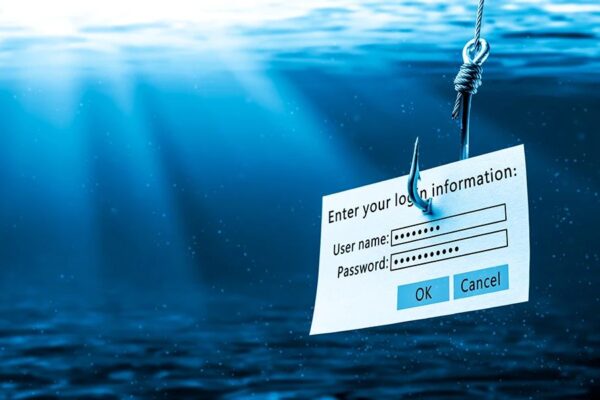
Day 9: Phishing Simulation and Awareness

Day 8: Security Operations Centre (SOC) 101