
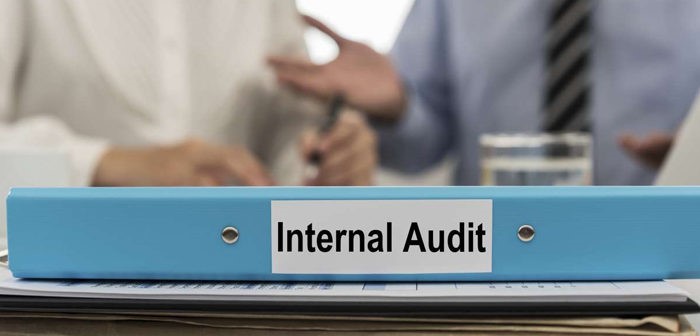
The difference between internal audit and investigations
The problem started with fuel. Not millions disappearing overnight. Real fraud rarely behaves like a dramatic movie. It moves carefully, almost politely, through weak controls until somebody notices a detail that does not fit the rhythm of normal operations.
A regional services company with field vehicles had approved unusually high fuel expenditure for several months. Management blamed operational expansion. The transport officer, a broad-shouldered man who spoke confidently and liked using operational jargon, explained that field activity had increased. The finance department accepted the explanation because revenue had also grown. Nobody wanted to slow the momentum.
Then an internal auditor noticed something irritatingly small. One vehicle had consumed more fuel during a weekend when GPS logs showed limited movement. Not impossible, just not making sense. That single observation eventually exposed duplicate fuel claims, manipulated mileage reporting, unauthorised fuel card use, weak supervision, and collusion between an internal officer and an external station attendant.
The internal auditor did not conduct the matter like a criminal investigation initially. And that distinction matters more than many organisations understand. Internal audit and investigations are cousins, not twins. Confusing them damages cases, destroys evidence, weakens disciplinary actions, and sometimes collapses matters in court because the organisation approached a potential evidential issue as if it were merely a routine compliance review.
That is where experienced investigators become careful. Because the moment fraud suspicion emerges, the terrain changes legally, operationally, emotionally, and technically. Courts continue to emphasize procedural fairness, evidential reliability, authenticity of records, and proper handling of electronic evidence, especially where allegations carry employment, criminal, or reputational consequences. That means one careless interview, contaminated laptop, improperly extracted WhatsApp screenshot, or one rushed accusation can poison an otherwise strong matter.
A butcher and a surgeon both use sharp instruments. The difference is intent, method, precision, and evidential consequence. That is the difference between internal audit and investigations.
Internal audit looks for control weaknesses
The internal auditor in this case started where auditors are supposed to start. Risk, controls, process reliability, policy compliance, and Data consistency. The auditor was not trying to prove theft. She was testing whether operational controls produced reliable outcomes.
That distinction protects objectivity. She reviewed fuel trends, compared mileage against consumption, sampled approval records, checked weekend usage patterns, and compared fuel station invoices against operational schedules. She noticed inconsistent handwriting patterns on supporting documents and approvals occurring unusually late at night.
An internal audit asks questions like these.
- Are controls designed properly?
- Are they operating consistently?
- Are approvals functioning?
- Are reconciliations effective?
- Is segregation of duties working?
- Can management rely on the process?
The purpose is organisational assurance, not criminal attribution. That is why auditors normally operate using sampling, materiality thresholds, process reviews, trend analysis, and control testing.
- Internal audit is fundamentally preventive and advisory, even when uncomfortable findings emerge.
- The internal audit examines systems before individuals. Investigations often move toward individuals because attribution matters.
- Auditors work with reasonable assurance, not absolute certainty. Investigators pursue factual reconstruction.
- Audit documentation must remain disciplined because working papers can later become part of litigation or disciplinary review.
The practical activity I give teams is simple. I ask one group to act as internal auditors reviewing a fuel management process. Another group acts as investigators examining suspected fraud in the same process. Within minutes, the room sees the difference. Auditors ask whether controls failed. Investigators ask who exploited the failure, how, when, and whether evidence supports attribution.
Investigations begin when suspicion hardens
The shift happened quietly. The auditor expanded sample testing and discovered multiple fuel slips linked to impossible mileage patterns. One vehicle appeared to travel farther than mechanically realistic, based on fuel tank capacity and route history. Then the GPS data conflicted with manual logs.
At that moment, the matter stopped being merely operational. It became evident that transition is where many organisations fail badly. Management often says something careless like, “The audit should just continue and finalise.”
Dangerous instruction.
An investigation has different objectives, standards, evidence requirements, legal sensitivities, and procedural risks. Once suspicion of fraud emerges, evidence preservation becomes critical. Devices may need isolation, access logs may require retention, witness contamination becomes a risk, and document integrity matters.
Chain of custody begins to matter. The standard changes from operational assurance toward factual proof.
The investigator in this matter requested fuel card records, GPS telemetry, mobile money traces, and CCTV retrieval from selected fuel stations. One fuel station attendant appeared repeatedly during irregular transactions. Transaction timestamps showed clustering during periods with weak supervision.
Then another detail emerged. Some fuel transactions occurred within minutes of each other at geographically impossible locations. That is where digital evidence becomes powerful. Technology does not merely create fraud risk.
It creates reconstruction opportunities.
- Investigations pursue factual reconstruction, not process commentary alone.
- Evidence preservation must begin early because digital artefacts degrade, overwrite, or disappear quickly.
- Investigations require procedural fairness because conclusions may affect employment, liberty, licensing, and reputation.
- Investigators must distinguish suspicion from proof carefully. A control weakness alone does not prove criminal intent.
The practical activity is revealing. Ask participants to examine the same set of records twice. First, as auditors. Second, as investigators, the auditor asks whether the policy was followed, the investigator asks whether evidence can survive cross-examination. That difference changes everything.
Internal auditors sample. Investigators reconstruct
The transport officer eventually claimed the irregularities were clerical errors caused by field pressure and delayed submissions. A weak investigator stops there emotionally, while a disciplined investigator reconstructs events. Vehicle movements, GPS records, fuel card logs, authorization trails, mobile communications, station CCTV, device access history, operational schedules, witness statements, and digital timestamps.
Investigators build chronology because chronology destroys imagination. Defence counsel loves ambiguity. The moment facts become sequential, verified, and independently corroborated, explanations become narrower.
One investigator reconstructed a suspicious Saturday in detail. Fuel purchase at 8:14 a.m. GPS location inconsistent with claimed route. Another fuel purchase at 8:39 a.m. Vehicle engine inactivity during the claimed operational period. Mobile tower records placing the driver near the fuel station for an extended duration are inconsistent with the field activity.
That level of detail matters because courts dislike speculative accusations. A judge may tolerate organisational suspicion temporarily. The court ultimately demands evidence.
- Audit often relies on representative testing, while investigations rely on exhaustive reconstruction around suspicious events.
- Chronology is one of the investigator’s strongest weapons because human deception struggles against timestamp consistency.
- Digital evidence should support witness evidence, not replace analytical reasoning.
- Innocent explanations must always be tested seriously because fairness strengthens credible investigations.
For your small investigations team, give them fragmented evidence and ask them to rebuild the operational day minute by minute. Most participants immediately discover how quickly assumptions collapse when forced into chronology.
Internal audit reports risk. Investigations report findings
Internal audit language is usually measured, control weakness, non-compliance, process gap, policy deviation, insufficient oversight, investigation language becomes more exact because the consequences increase, unauthorised activity, misrepresentation, falsification, concealment, improper access, potential collusion.
Investigators must write carefully because words carry legal gravity. An auditor may conclude that fuel reconciliation controls are ineffective, and an investigator may conclude that evidence supports deliberate falsification of fuel usage records by identified individuals. That distinction is enormous. One improves systems.
The other may trigger termination, prosecution, civil recovery, regulatory reporting, or reputational damage. A seasoned investigator writes as though defence counsel is already reading the report.
Because eventually somebody hostile probably will. I have learned that;
- Audit recommendations improve systems while investigative findings support accountability decisions.
- Investigative writing must separate facts, analysis, assumptions, and conclusions visibly.
- emotionally charged language weakens professional credibility.
- Investigation reports should explain methodology because courts and disciplinary panels examine process as much as outcome.
The activity is simple but brutal. Ask participants to rewrite emotionally loaded allegations into evidence-based findings. Most people realize how much weak reporting relies on opinion instead of proof.
Internal audit protects the organisation. Investigations protect the truth
This is the uncomfortable part. Internal audit serves governance by improving organisational reliability, accountability, and risk management. Investigations serve factual truth under scrutiny. Those objectives overlap but are not identical.
An organisation may prefer a quiet resolution, while an investigator must remain faithful to evidence. An auditor may prioritise remediation speed, while an investigator may require slower evidence handling.
Management may want operational continuity, while investigators may require restricted access or suspension to preserve integrity. That tension is normal. Professional maturity lies in understanding boundaries. The strongest organisations understand when to transition from audit to investigation formally. They define triggers, fraud indicators, intentional manipulation, forgery suspicion, data destruction, unauthorised access, conflict of interest concealment, collusion indicators, and retaliation against whistleblowers.
At that point, investigation protocols activate, legal oversight begins, evidence preservation tightens, documentation standards increase, Interview strategy changes, and confidentiality becomes stricter.
- Internal audit and investigations complement one another best when roles are clearly defined.
- Investigators should not casually inherit audit assumptions without independent validation.
- Governance structures must define escalation pathways clearly before crises occur.
- Organisations should train managers not to contaminate potential investigations through premature confrontation or careless communication.
The investigation confirmed collusion between an internal transport employee and an external fuel station attendant. Weak supervision enabled the scheme. Poor reconciliation allowed continuity. Delayed review increased losses. Digital evidence, fuel records, GPS telemetry, and financial tracing created a coherent evidential picture. But the most important outcome was not disciplinary action, it was institutional learning.
The organisation redesigned approval thresholds, integrated automated reconciliation between GPS and fuel systems, restricted manual overrides, strengthened vendor due diligence, introduced anomaly detection reviews, improved whistleblower reporting, and clarified escalation from audit observation to formal investigation.
That is the future-ready lesson. Internal audit helps organisations stay healthy. Investigations help organisations survive betrayal. One strengthens the immune system, the other diagnoses the infection precisely enough to withstand challenge. Both matter, but confusing them is like sending a building inspector to perform forensic pathology after a fire. The tools overlap slightly, the mission does not.
Copyright IFIS 2026. All rights reserved.

You may also like
Day 9: Phishing Simulation and Awareness
Day 8: Security Operations Centre (SOC) 101