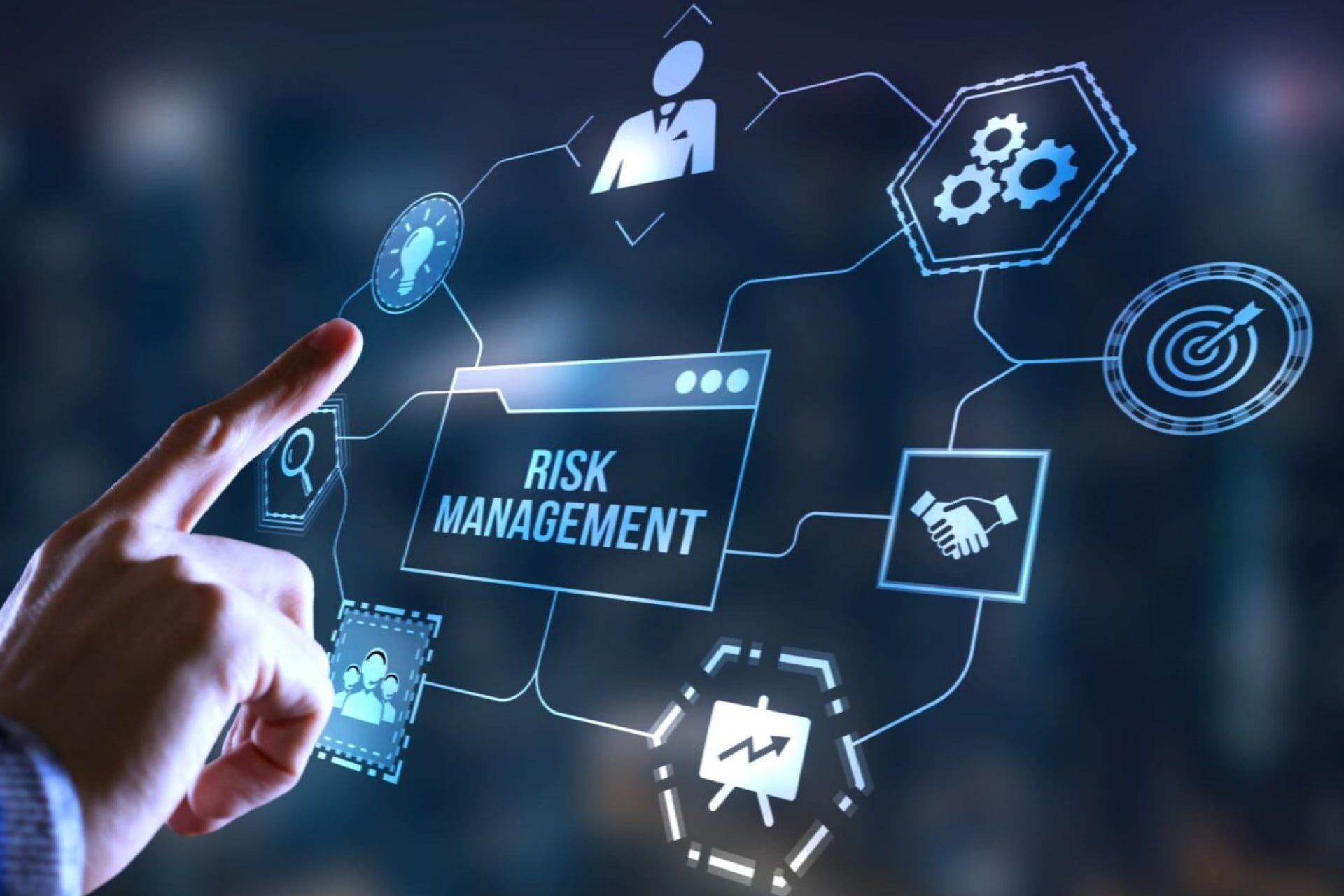
Developing a Comprehensive Risk Management Process
A common definition of risk is an uncertain event that may occur and have a positive or negative impact on a company’s or organization’s goals. The potential for a risk to have a positive or negative effect is an important concept. Why? Because it is natural to fall into the trap of thinking that risks have inherently negative effects. If you are also open to those risks that create positive opportunities, you can make your project smarter, streamlined, and more profitable. Think of the adage “Accept the inevitable and turn it to your advantage.” That is what you do when you mine project risks to create opportunities.
Uncertainty is at the heart of risk. You may be unsure if an event is likely to occur or not. Also, you may be uncertain what its consequences would be if it did occur. Likelihood, which is the probability of an event occurring, and consequence, that is, the impact or outcome of an event, are the two components that characterize the magnitude of the risk.
All risk management processes follow the same basic steps, although sometimes different jargon is used to describe these steps. Together, these 5 risk management process steps combine to deliver a simple and effective risk management process.
- Identify the Risk. You and your team uncover, recognize, and describe risks that might affect your project or its outcomes. There are a number of techniques you can use to find project risks. During this step, you start to prepare your Project Risk Register.
- Analyze the risk. Once risks are identified, you determine the likelihood and consequences of each risk. You develop an understanding of the nature of the risk and its potential to affect project goals and objectives. This information is also input to your Project Risk Register.
- Evaluate or Rank the Risk. You evaluate or rank the risk by determining the risk magnitude, which is the combination of likelihood and consequence. You make decisions about whether the risk is acceptable or whether it is serious enough to warrant treatment. These risk rankings are also added to your Project Risk Register.
- Treat the Risk. This is also referred to as Risk Response Planning. During this step, you assess your highest-ranked risks and set out a plan to treat or modify these risks to achieve acceptable risk levels. How can you minimize the probability of the negative risks while enhancing the opportunities? You create risk mitigation strategies, preventive plans, and contingency plans in this step. And you add the risk treatment measures for the highest ranking or most serious risks to your Project Risk Register.
- Monitor and review the risk. This is the step where you take your Project Risk Register and use it to monitor, track, and review risks.
Risk is about uncertainty. If you put a framework around that uncertainty, then you effectively de-risk your project. And that means you can move much more confidently to achieve your project goals. By identifying and managing a comprehensive list of project risks, unpleasant surprises and barriers can be reduced and golden opportunities discovered. The risk management process also helps to resolve problems when they occur, because those problems have been envisaged, and plans to treat them have already been developed and agreed upon. You avoid impulsive reactions and going into “fire-fighting” mode to rectify problems that could have been anticipated. This makes for happier, less-stressed project teams and stakeholders. The result is that you minimize the impacts of project threats and capture the opportunities that occur.
For busy professionals who need to meet continuing professional development requirements and boost their career opportunities, our online courses provide a flexible and cost-effective way to achieve this by providing anywhere, anytime access and a supportive online community. Continuing Professional Development offers a series of online project management courses to advance your project management skills and your career. The Institute of Forensics and ICT Security will give you the practical skills to develop a comprehensive risk management process. You can find us at Ntinda complex, opposite St. Luke’s church, Ntinda.

You may also like

Risk appetite vs. risk blindness: Striking the right balance