
The Deepfake CEO Is Calling
The call came late in the afternoon. The voice sounded calm, measured, and familiar. The Managing Director was travelling and he needed an urgent transfer to secure a confidential acquisition. The Chief Finance Officer was unavailable and the Board was not to be informed yet. Confidentiality was critical.
The Finance Manager hesitated for a few seconds. The voice on the other end laughed softly and referred to a recent Board discussion that only senior executives knew. The transaction details followed on email, the signature looked right, the language matched previous communications and the urgency felt real.
Money moved. A few hours later, the real CEO switched on his phone. He had never made the call. The organisation had just spoken to a machine. That is the new crime scene.
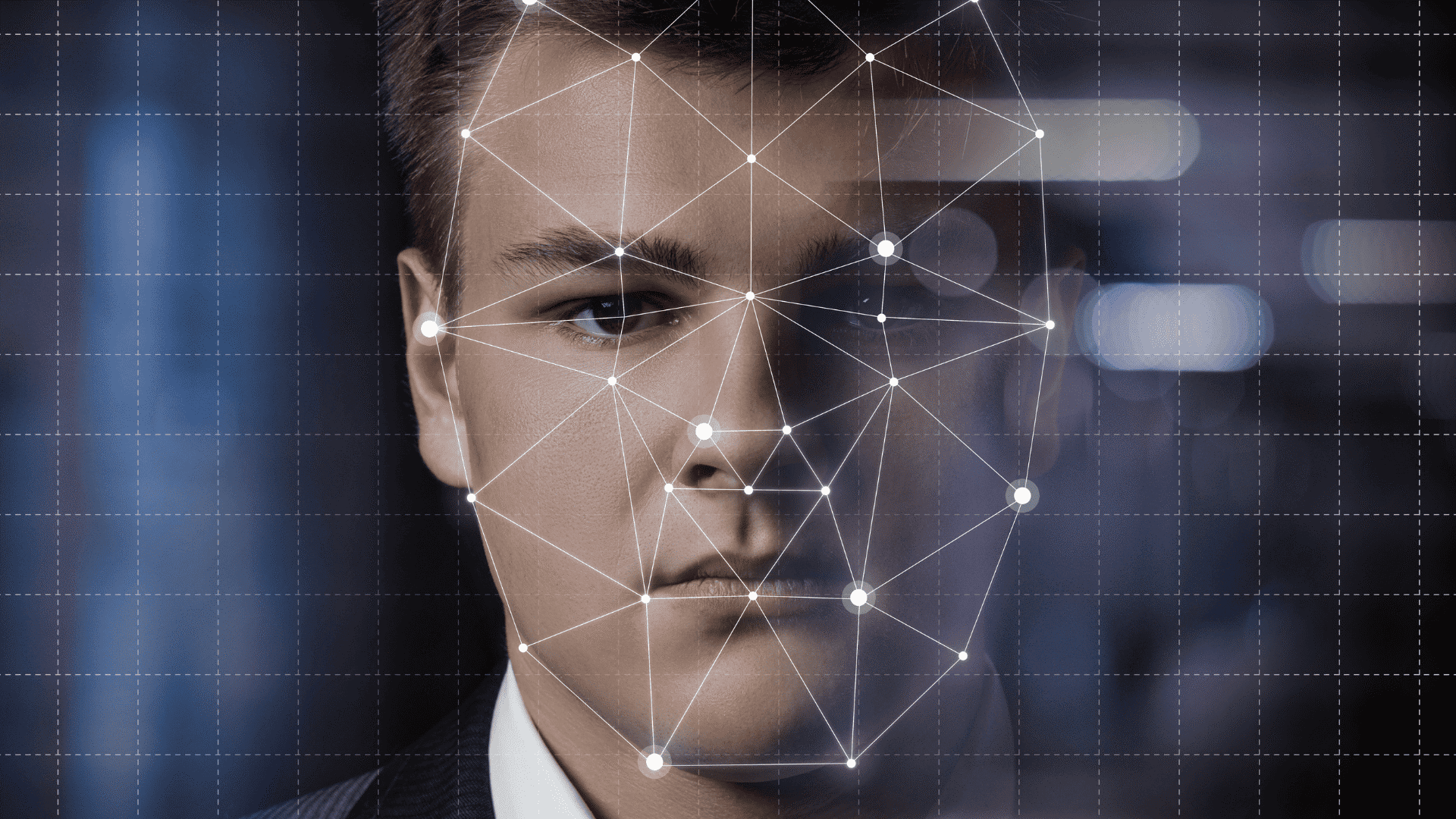
Deepfakes are no longer amusing videos circulating on social media. They are becoming precision weapons aimed at trust itself. A criminal no longer needs to hack your systems if he can hack your judgment. He does not need to steal passwords if he can imitate the people you obey. This is what makes deepfakes dangerous. Cybersecurity professionals spend years building digital walls. Deepfakes simply walk through the front gate carrying the face and voice of someone trusted.
The numbers are sobering. The global financial sector has already reported cases where artificial intelligence generated voices impersonated executives to authorize fraudulent transactions worth millions of dollars. One well documented incident involved a multinational company where employees transferred substantial funds after receiving what they believed was a call from their parent company’s executive. The voice had been cloned using artificial intelligence. The fraud succeeded because the attackers understood human behavior better than technology.
The criminals start quietly with a speech uploaded on YouTube, an interview shared on LinkedIn, a podcast appearance, a webinar recording, or a graduation speech. Thirty seconds of clear audio is often enough to clone a person’s voice with remarkable accuracy. Public photographs help build facial models while public information provides the vocabulary, the habits of speech, and the context.
The criminal builds a digital twin then waits. Like a fisherman who studies the river before casting his net, he learns who approves payments, who fears missing deadlines, who hesitates to challenge authority, and who is eager to impress.
The attack itself is usually simple. A video call arrives with the CEO appearing anxious. Background noise makes the image imperfect, which ironically increases credibility. Humans associate poor video quality with authenticity because real internet connections are rarely perfect.
The CEO requests an urgent transaction. There is pressure, secrecy, and artificial urgency. The target stops thinking critically. Money disappears. The tragedy is that many organisations still prepare for yesterday’s crimes. They invest heavily in firewalls, conduct penetration tests, buy endpoint protection, yet the greatest vulnerability remains the human instinct to trust familiar faces.
Trust, once the glue of organisations, is becoming an attack surface. I recently reviewed an incident involving executive impersonation where the criminals did not exploit a single software weakness, no malware, no hacking and no broken encryption.
They exploited hierarchy. Junior employees feared asking questions, senior managers assumed others had verified the request. So, everyone trusted the apparent authority of the caller and no one wanted to be the person who delayed an urgent executive instruction.
The organisation had cybersecurity controls but lacked courage controls. That distinction is critical.
The future of cybercrime will not revolve around breaking systems.
It will revolve around manufacturing reality.
Artificial intelligence now generates voices that mimic emotions. It recreates facial expressions. It synchronises lip movements. It adapts accents. The result is not a fake person. It is a believable lie and believable lies are extraordinarily dangerous. The legal consequences are equally serious.
In Uganda, electronic fraud, impersonation, unauthorized access to computer systems, and computer misuse attract criminal sanctions under the amended computer misuse laws and related cybercrime legislation. Courts have increasingly emphasized the importance of preserving digital evidence, proving authenticity of electronic records, and establishing clear chains of custody during investigations. Electronic evidence that is poorly preserved can become worthless during litigation.
That is why the response to a deepfake incident must begin with evidence preservation. Save the call recordings, preserve server logs, capture metadata, retain emails in their original form, secure mobile devices, and document every action taken.
The difference between suspicion and conviction often lies inside tiny digital traces invisible to ordinary users. A deleted message leaves footprints, an edited video carries fingerprints, an AI generated voice contains artifacts that forensic experts can detect. Modern investigations examine waveform anomalies, compression signatures, source metadata, timestamp inconsistencies, network routes, and behavioural patterns.
Sometimes the smallest clue becomes decisive, a background sound repeating unnaturally, a blinking pattern that does not match human physiology, a mismatch between device location and claimed location, an email routed through suspicious servers, tiny fractures in a carefully built illusion.
The best investigators approach deepfakes like examining a forged land title. At first glance, everything appears genuine, the signatures look right, the stamps seem authentic, the language feels official but the truth hides in details. The spacing of letters, the order of approvals, the history of amendments and the invisible layers beneath the visible document.
Technology has changed but human deception has not. That is why boards must rethink governance. The traditional approval matrix is becoming obsolete. Large transactions should require independent verification through separate communication channels. Voice instructions alone should never authorize financial transactions, video calls should not override policy, and executive authority should not defeat internal controls.
The truth is that some of the biggest cyber losses occur because employees obey instructions they should question. After investigating several cases in Uganda, I have come to understand that a good employee follows procedures. A great employee protects the institution, even from what appears to be the CEO. This requires culture, training and psychological safety. People must know they will not be punished for saying, I need to verify this request because one day that hesitation may save billions.
Ugandan courts have increasingly dealt with cases involving electronic evidence, cyber related disputes, digital communications and technology enabled wrongdoing, reinforcing the reality that digital actions leave trails and accountability increasingly follows those trails. The age where criminals hid behind screens is fading.
Investigators are becoming more sophisticated, forensic techniques are improving, and courts are adapting to digital realities yet prevention remains more valuable than prosecution. A farmer does not wait for thieves to harvest his crops before building a fence.
An organisation should not wait for a deepfake CEO to call before redesigning trust. The future belongs to institutions that assume appearances can deceive. Every voice may be cloned, every image may be manipulated, and every message may be fabricated.
Verification must become a discipline because in this new age, the greatest cyber risk is not artificial intelligence. It is natural intelligence switching itself off. And when a familiar voice calls asking for urgency, secrecy, and immediate action, remember this. Machines can imitate faces, voices, and confidence but they cannot replace disciplined judgment. That remains your strongest firewall.

You may also like
Day 9: Phishing Simulation and Awareness

Day 8: Security Operations Centre (SOC) 101